


Type of Antiscalant used in Reverse Osmosis (RO) membrane
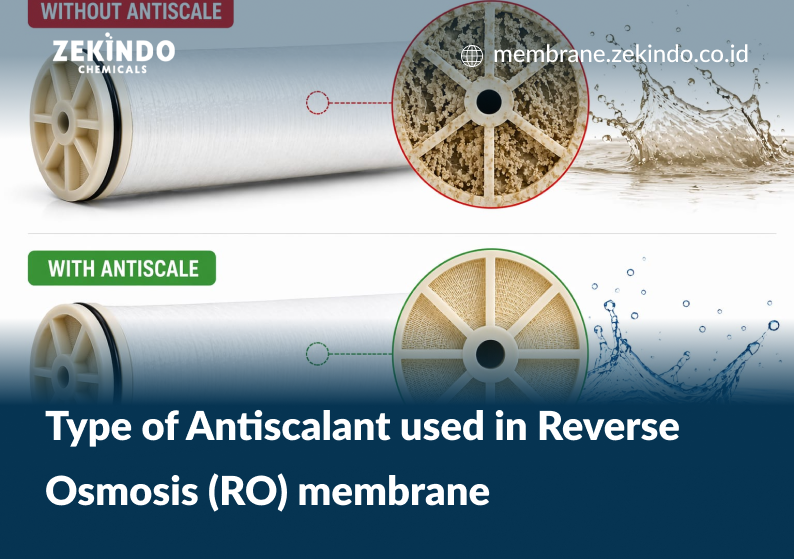
Type of Antiscalant used in Reverse Osmosis (RO) membrane Antiscalant is a chemical used to prevent the formation of scale or crystallized salts. It is commonly applied in water purification systems, pipelines, and boilers. Scale formation occurs when the concentration of dissolved salts in water exceeds its solubility limit, resulting in solid deposits forming on surfaces. Antiscalants are designed to inhibit the formation of substances such as calcium, magnesium, and silica, which are the primary contributors to scaling. This chemical helps minimize deposit formation that can reduce equipment performance and operational efficiency. Types of Scaling: Calcium Carbonate (CaCO₃) Impact: Reduces heat transfer efficiency, leading to increased energy consumption and decreased system performance. Calcium Sulfate (CaSO₄) Impact: Forms a very hard scale that is difficult to remove, causing performance decline and potential equipment damage. Silica (SiO₂) Impact: Forms extremely hard, glass-like deposits that are difficult to clean even with acids, and can severely damage RO membranes and high-pressure boilers. Magnesium Hydroxide (Mg(OH)₂) Impact: Causes fouling that disrupts water flow and reduces system efficiency. Iron Scale (Fe₂O₃ / Fe(OH)₃) Impact: Clogs pipes and equipment while accelerating corrosion and overall system deterioration. Applications: In Reverse Osmosis (RO) membrane systems, antiscalants function to: Prevent mineral deposits and scale formation They inhibit scaling caused by minerals such as calcium carbonate, calcium sulfate, magnesium sulfate, and silica in feed water. Maintain efficiency They ensure stable water flow and prevent the performance decline of membranes. Extend membrane lifespan By reducing physical damage from scaling and lowering the frequency of Cleaning in Place (CIP) processes. How It Works: Antiscalants operate through several mechanisms: Threshold inhibition Prevents precipitation even at high mineral concentrations. Dispersion of particles Keeps potential scale-forming minerals suspended in water so they are carried away with the flow. Crystal modification Alters the crystal structure so deposits do not harden or adhere to surfaces easily. Conclusion: Antiscalant is a chemical that plays an important role in preventing scale formation caused by dissolved minerals such as calcium, magnesium, and silica in water treatment systems, especially Reverse Osmosis (RO) membranes. It helps maintain membrane performance by inhibiting crystal formation, keeping particles dispersed in water, and improving operational efficiency. As a result, antiscalants enhance system stability, improve water treatment efficiency, and extend membrane lifespan by reducing the risk of fouling. The Right Solution for You Optimize your system performance with the right antiscalant solution. Consult with us today. Learn more about membranes on the ZEKINDO website! Contact Us
SWRO vs Thermal Desalination: Comparison of Modern Seawater Desalination Technologies
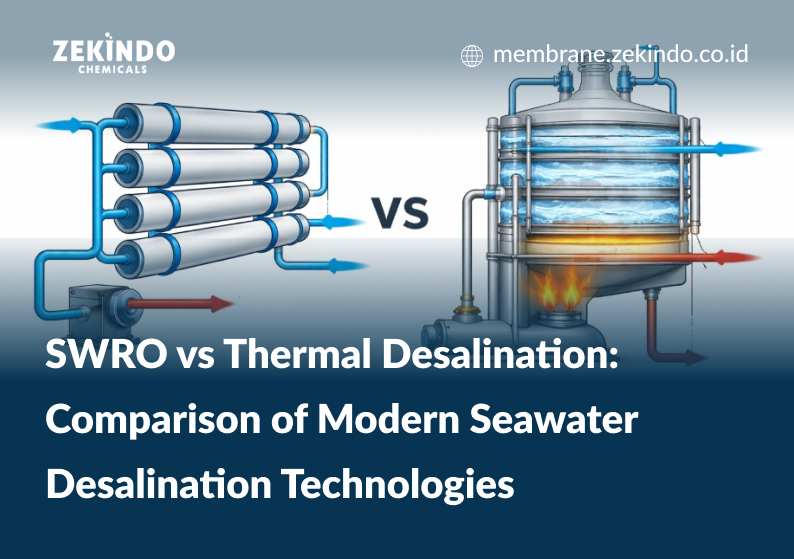
SWRO vs Thermal Desalination: Comparison of Modern Seawater Desalination Technologies The availability of clean water has become one of the most significant challenges worldwide, particularly in coastal areas, remote islands, and regions with limited freshwater resources. One increasingly popular approach is seawater desalination, which refers to the process of converting seawater into water suitable for consumption. Two main technologies dominate this field: SWRO (Sea Water Reverse Osmosis) and Thermal Desalination. Although both aim to achieve the same goal, their working principles are fundamentally different, and each offers unique advantages. Understanding SWRO (Sea Water Reverse Osmosis) Main SWRO Process: Pretreatment – Initial filtration to remove large particles, impurities, and microorganisms High-Pressure Pump – Provides the pressure required to push water through the membrane Membrane Separation – Separation of salt and clean water Post-treatment – Adjustment of pH and mineral content to ensure the water is safe for use Advantages of SWRO: Lower energy consumption compared to thermal methods Relatively fast installation process Suitable for industrial use, hotels, and small communities More efficient investment and operational costs Modular design, making it easy to expand Challenges of SWRO: Highly dependent on feed water quality Membranes require periodic replacement Requires an effective pretreatment system Risk of fouling (accumulation of contaminants on the membrane) Understanding Thermal Desalination Unlike SWRO, thermal desalination works by heating saline water until it evaporates and then condenses, turning the vapor into fresh water while leaving the salt behind. This process relies on the principle of thermal distillation and is typically categorized into main types such as MSF and MED. Common Technologies Used: MSF (Multi-Stage Flash) MED (Multi-Effect Distillation) Vapor Compression (VC) Main Thermal Process: Heating seawater to the evaporation point Condensing vapor into freshwater Multi-stage evaporation under varying pressures Collecting purified water Advantages of Thermal Desalination: Produces very high-purity water with less complex post-treatment than SWRO Less sensitive to variations in seawater quality Stable for long-term operation Equipment generally has a longer lifespan Challenges of Thermal Desalination: Very high energy consumption High capital investment Less flexible for small or remote applications Requires large-scale infrastructure Key Factors to Consider Choosing the right desalination technology should not be done arbitrarily. Important factors include: Energy availability: Thermal desalination is suitable when energy is inexpensive or readily available (e.g., from power plants) Water demand scale: SWRO is more flexible across different capacities Feed water conditions: High turbidity requires more complex pretreatment Long-term cost: SWRO is generally more economical Project location: Remote areas benefit from modular systems like SWRO Current Trends in the Desalination Industry In recent years, SWRO technology has advanced significantly, particularly in energy efficiency and membrane quality. Many new desalination projects worldwide now favor SWRO due to its cost-effectiveness and energy efficiency. However, thermal desalination remains widely used in regions with abundant energy resources, such as the Middle East, especially for large-scale projects integrated with power plants. The Right Desalination Solution for You Every project presents unique challenges. With the right strategy, desalination technology can become a sustainable and efficient long-term investment. Consult your water treatment needs with the ZEKINDO team to find the optimal, efficient, and sustainable filtration solution. Learn more about membrane technology on the ZEKINDO website! Contact Us
Key Parameters for RO Design and Performance Monitoring
Key Parameters for RO Design and Performance Monitoring Several key parameters are crucial for operators and water treatment plant engineers to understand, control, optimize, and evaluate the performance of a Reverse Osmosis (RO) system. These parameters serve as references for operators and system designers to ensure that RO membranes operate efficiently, produce clean water with the desired quality, and achieve a long service life. Each type of RO membrane has specific operational limits. Understanding these key parameters helps prevent damage, fouling, or performance degradation of the system. These parameters in a reverse osmosis (RO) system include factors that determine membrane performance, efficiency, and lifespan. They include pressure, flow rate, TDS, and salt rejection. Below is an in-depth description of the key parameters in Reverse Osmosis (RO) membrane technology that determine the efficiency and quality of water purification: 1. TDS (Total Dissolved Solids) TDS is a parameter that indicates the total amount of dissolved substances in water, such as salts, minerals, and organic compounds. TDS is measured in both the feed and permeate waters to evaluate water quality and membrane performance. High TDS levels in the feed water increase operating pressure, as the membrane requires a greater driving force to separate dissolved substances. Meanwhile, low TDS in the permeate indicates that the filtration process is operating effectively. 2. Flux (Membrane Flow Rate) Flux represents the amount of water that passes through the membrane per unit area and time. This parameter describes the membrane’s production capacity. Flux is influenced by operating pressure, water temperature, feed water TDS, and membrane cleanliness. A decrease in flux usually indicates fouling or scaling, while excessively high flux can accelerate membrane damage and increase energy consumption. 3. Salt Rejection Salt rejection is the membrane’s ability to retain salts and dissolved substances, expressed as a percentage. This value indicates the effectiveness of the separation between purified water and contaminants. The higher the salt rejection, the better the permeate water quality. A decrease in this value may indicate membrane damage or leakage within the system. 4. Recovery Rate The recovery rate represents the percentage of feed water that is successfully converted into permeate water. This parameter reflects the efficiency of water utilization in an RO system. Recovery that is too high can increase the risk of scaling and fouling, while recovery that is too low results in inefficient system operation. Generally, recovery is maintained within the range of 40–80%, depending on system design and feed water quality. 5. Operating Pressure Operating pressure is the main driving force that allows water to pass through the RO membrane. Proper pressure results in optimal flux and stable permeate quality. Excessively high pressure can damage the membrane, while pressure that is too low leads to reduced water production. 6. Differential Pressure (ΔP) Differential pressure is the difference in pressure between the inlet and outlet of the membrane. This parameter is used as an indicator of membrane condition. A gradual increase in ΔP indicates fouling or blockage, signaling the need for cleaning or membrane maintenance. 7. Water Temperature Water temperature affects water viscosity and the flow rate through the membrane. Higher temperatures increase flux; however, temperatures exceeding the design limit can damage the membrane. Therefore, flux data is usually corrected to a standard temperature using the Temperature Correction Factor (TCF). The Bottom Line A reliable water treatment system depends on selecting the proper filtration process according to the specific water quality. ZEKINDO provides comprehensive membrane solutions, ranging from ultrafiltration and nanofiltration to reverse osmosis, tailored to meet your needs. Consult your water treatment requirements with the ZEKINDO team to obtain optimal, efficient, and sustainable filtration solutions. Learn more about Membrane solutions on the ZEKINDO website! Contact Us
Filtration Spectrum in Water Treatment Processes
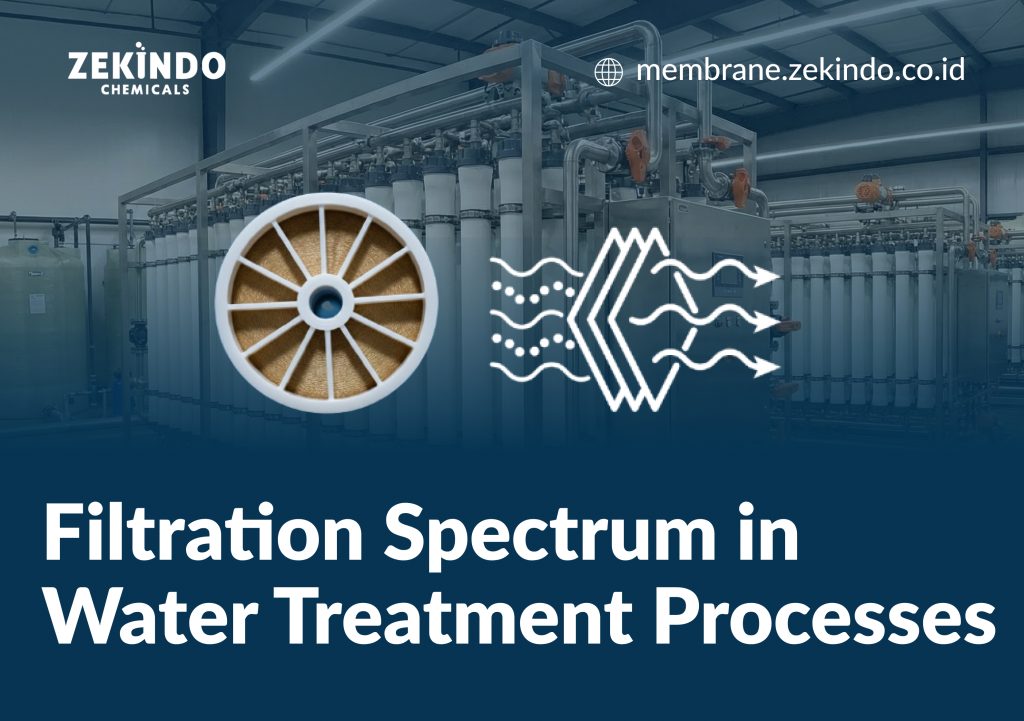
Filtration Spectrum in Water Treatment Processes The filtration spectrum illustrates the range of water filtration technologies arranged according to the size of particles they can remove, from the coarsest to the finest filtration. Each type of filtration media is specifically designed to target particular contaminants and impurities based on their size and properties. Therefore, in water filtration processes, the method used must be tailored to the type of contaminant that needs to be removed. In general, as you move downstream in the filtration spectrum, the size of contaminants being removed becomes smaller, and the purity of the resulting water increases. Filtration Spectrum & Type Multimedia Filtration (10–100 µm) Multimedia filtration serves as the first line of defense in water treatment systems. This process utilizes layered filter media, including sand, gravel, and anthracite, to remove large particles. Contaminants removed: Sand Silt Coarse sediment Solid debris This stage plays a crucial role in protecting subsequent membranes from early fouling. Microfiltration (MF) (0.01–0.1 µm) Microfiltration is used to remove suspended particles and large microorganisms, thereby improving water clarity. Contaminants removed: Suspended particles Fine sediment Bacteria EPS (Extracellular Polymeric Substances) However, microfiltration is not capable of removing viruses or dissolved substances. This process is mainly effective for enhancing water clarity by removing sediment and bacteria. Ultrafiltration (UF) (0.01–0.1 µm) Ultrafiltration has smaller pore sizes compared to microfiltration and is used in applications that require higher water purity. Contaminants removed: Viruses Proteins Colloids Large organic molecules Ultrafiltration is commonly used in drinking water treatment as well as in the food and pharmaceutical industries. Nanofiltration (NF) (1–10 nm) Nanofiltration targets multivalent ions and dissolved organic compounds using ultra-fine membranes. These membranes are capable of filtering certain ions and small molecules. Contaminants removed: Dissolved organic compounds with a molecular weight >200 Da Multivalent ions (Ca²⁺, Mg²⁺, SO₄²⁻) Reverse Osmosis (RO) (0.1–1 nm) Reverse Osmosis is the finest filtration stage in the membrane spectrum and can remove up to 99% of dissolved contaminants. Contaminants removed: Monovalent ions (Na⁺, Cl⁻) Dissolved salts Minerals Small organic compounds This process produces water of very high purity, making it widely used in seawater desalination, industrial applications, and ultrapure water production. The Bottom Line A reliable water treatment system does not rely on a single technology, but rather on the right combination of filtration processes tailored to the quality of the raw water and the target application. ZEKINDO provides complete membrane solutions, from ultrafiltration and nanofiltration to reverse osmosis, all customizable to your specific needs. Consult with the ZEKINDO team to get an optimal, efficient, and sustainable water filtration solution. Learn more about membranes on the ZEKINDO website! Contact Us
(RO) Reject Water and Environmental Impact: What You Need to Know
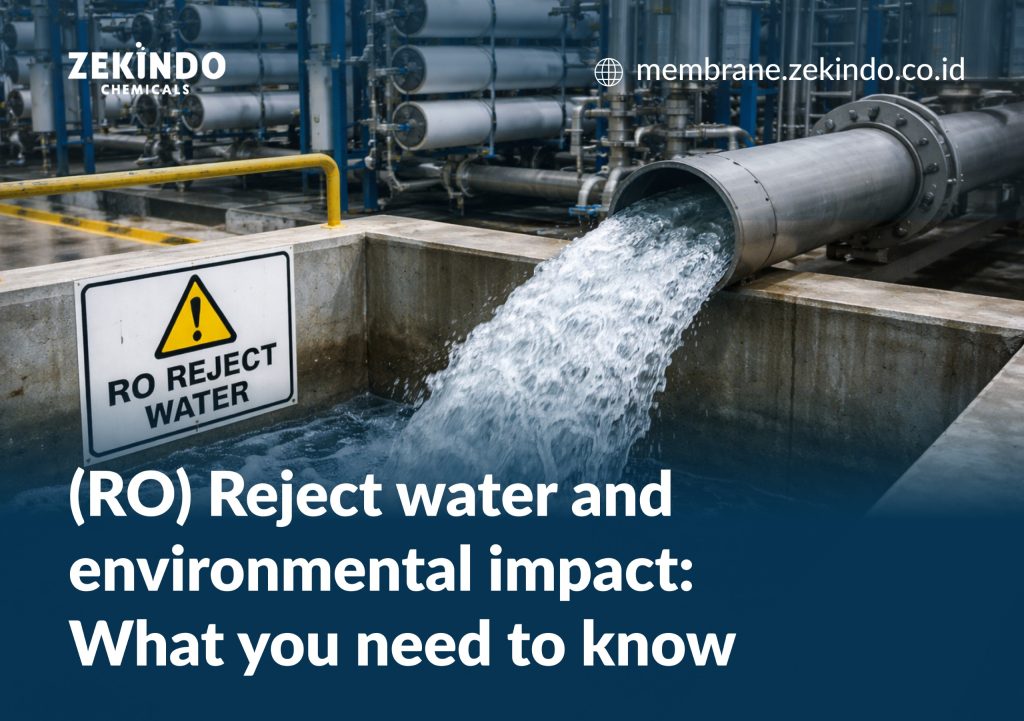
(RO) Reject Water and Environmental Impact: What You Need to Know Reverse Osmosis (RO) is generally a water treatment method used to produce high-quality clean water, particularly in terms of purity. RO-treated water can be used for household needs, industrial applications, and various other facilities. Reverse Osmosis works based on a separation principle using a semi-permeable membrane. In this process, only water molecules are able to pass through the membrane, while dissolved substances with certain sizes and charges are retained. As a result, on the concentrate (reject) side, the concentration of dissolved substances becomes higher compared to the feed water. Substances that are commonly retained and concentrated in RO reject water include: 1. Salts and minerals (TDS – Total Dissolved Solids) 2. Organic substances 3. Dissolved minerals, such as: Calcium Sodium Magnesium Chloride Sulfate Bicarbonate 4. Microorganisms: Bacteria Viruses 5. Residual chemicals contained in the water Disposal Process of Reject Water from a Reverse Osmosis (RO) System RO reject water must not be discharged indiscriminately because it contains higher concentrations of salts, minerals, and contaminants compared to raw water. Therefore, the disposal method must be adjusted according to the quality of the reject water, the capacity of the RO system, and applicable environmental regulations. Alternatives for Handling Reject Water Based on these considerations, there are several alternatives for managing and disposing of RO reject water that can be applied according to system conditions and requirements. These alternatives include: 1. Discharge to Drainage Systems or Public Channels A drainage system, commonly known as a wastewater channel, is a method or facility used to convey or dispose of excess water (rainwater or wastewater) by gravity or pumping to prevent waterlogging and flooding. This disposal method may be applied if the following conditions are met: The RO system scale is small to medium TDS, pH, and other water quality parameters still comply with wastewater discharge standards It does not contain hazardous chemicals in high concentrations 2. Discharge to a Wastewater Treatment Plant (WWTP) / IPAL Wastewater generated from households, factories, hospitals, hotels, and other facilities is treated to ensure it is safe for discharge into the environment or for reuse. Reject water can be mixed and treated together with other process wastewater so that: Environmental risks are more controlled Environmental permitting requirements can be fulfilled 3. Reuse for Non-Process Purposes As an effort to improve water use efficiency, reject water may be reused if its quality allows, including for: Cooling tower make-up water Landscape irrigation Toilet flushing Cleaning of non-critical areas This reuse is generally carried out after undergoing processes such as: Dilution pH adjustment Simple additional filtration Therefore, the management of reject water from Reverse Osmosis (RO) systems must be planned and carried out in accordance with technical procedures and applicable environmental regulations, so that its utilization and disposal can be conducted safely, efficiently, and sustainably without causing negative impacts on the surrounding environment. How ZEKINDO Supports Your RO Journey Ensure your Reverse Osmosis system is equipped with an appropriate reject water management strategy. Consult with us to obtain safe, efficient, and compliant solutions for reject water treatment and disposal. Explore our Reverse Osmosis product line on the ZEKINDO website! Contact Us
What Is Reverse Osmosis?: The Ultimate Guide To Reverse Osmosis (RO) Water Treatment
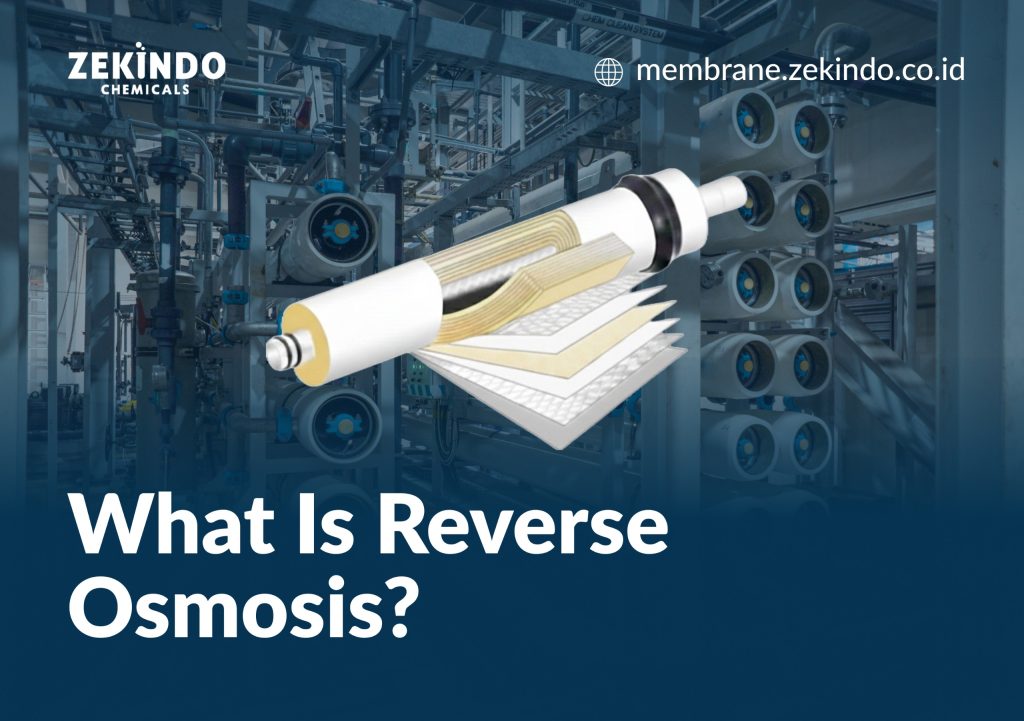
What Is Reverse Osmosis?: The Ultimate Guide To Reverse Osmosis (RO) Water Treatment Clean water is essential for modern life — from drinking water to high-tech industries. Among the many technologies available, Reverse Osmosis (RO) stands as the gold standard for removing dissolved impurities from water with unmatched efficiency. Reverse Osmosis (RO) is a highly effective water purification technology that uses a semi-permeable membrane to remove dissolved salts, particles, and contaminants. By applying pressure greater than the natural osmotic pressure, water is forced through the membrane, leaving impurities behind in the reject stream. Reverse osmosis is widely used in industries ranging from pharmaceuticals and food & beverage to seawater desalination and wastewater reuse. Osmosis vs Reverse Osmosis To grasp how RO works, it’s helpful to first understand osmosis, a natural process in biology. Osmosis is when water moves across a semi-permeable membrane from a region of low solute concentration to high solute concentration — aiming to equalize the concentrations on both sides. Example: Plant roots absorbing water from soil. Reverse Osmosis, on the other hand, uses pressure to reverse this process. By applying high pressure to a more concentrated solution (such as seawater), we force water molecules through the membrane — leaving contaminants behind. How Does Reverse Osmosis Work? The RO process involves mechanical pressure, membranes, and crossflow filtration to purify water. Feed Water InputRaw water (from wells, rivers, or seawater) enters the system. High-Pressure PumpA pump raises the pressure, overcoming natural osmotic pressure. RO MembraneOnly water molecules pass through. Salts, minerals, bacteria, and other contaminants are rejected. Separation into Two Streams: Permeate (Product Water) – Clean, purified water. Concentrate (Brine or Reject) – Wastewater containing removed contaminants. Typical RO removal efficiency: 95–99% of dissolved salts and other impurities. What Does RO Remove? RO membranes remove a wide range of contaminants based on size and ionic charge: Removed Examples Salts & Minerals Na⁺, Ca²⁺, Mg²⁺, Cl⁻ Heavy Metals Arsenic, Lead, Mercury Organics & Microbes Bacteria, Viruses, Pyrogens Particles Sand, silt, rust Other Nitrates, Fluoride, Sulfates RO is less effective at removing dissolved gases like CO₂, which may result in slightly acidic product water. Benefits of Reverse Osmosis Why do industries around the world choose RO systems for their water purification needs?It’s because the benefits of reverse osmosis extend far beyond just clean water. Here are some of the most important advantages that make RO a go-to solution for various sectors: High Purity: Eliminates most impurities including salts and heavy metals. Cost-Effective: Lower energy consumption compared to thermal distillation or ion exchange. Eco-Friendly: No chemicals, less carbon footprint. Hardness Removal: Removes calcium and magnesium, reducing scaling risks. Application of Reverse Osmosis Reverse osmosis plays a vital role across many industries — from clean drinking water to high-tech manufacturing.Here are some of the most common and impactful uses of RO technology: Desalination: Turning seawater into drinking water. Pharmaceutical: Creating sterile water for manufacturing. Food & Beverage: Producing consistent, high-quality ingredients. Electronics: Making ultrapure water for semiconductor production. Industrial Boilers: Providing clean feedwater for steam generation. How ZEKINDO Supports Your RO Journey At ZEKINDO, we don’t just deliver RO membranes — we offer complete reverse osmosis solutions tailored for industrial, municipal, and commercial needs. Whether you’re: Designing a new system Retrofitting an existing one Needing membrane replacements or chemical treatment Our technical team ensures your system is designed efficiently, maintained proactively, and operated optimally. Explore our Reverse Osmosis product line on our website! Contact Us
Municipal & Desalination
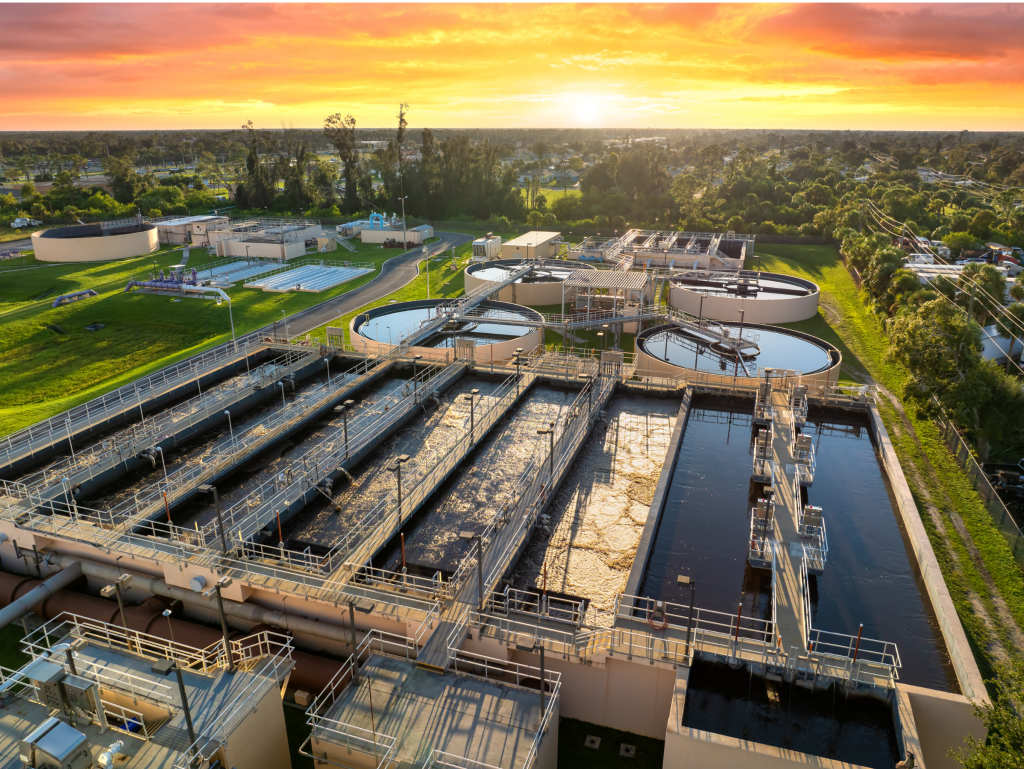
Municipal & Desalination As populations grow and fresh water resources become increasingly scarce, municipal water treatment and desalination have become critical solutions for ensuring safe and sustainable water supplies. Reverse osmosis membranes are at the heart of seawater desalination (SWRO) plants, where they remove salts and impurities to produce high-quality drinking water for coastal cities and industrial hubs. In brackish water desalination (BWRO), RO systems transform inland water sources into reliable supplies for both communities and industries. Municipal drinking water facilities also adopt RO membranes to meet stringent quality standards, delivering clean and safe water to households, schools, and public facilities. These applications often face challenges such as high salinity, biofouling, and energy consumption, which can affect both cost and operational stability. Zekindo provides advanced RO membrane solutions with high salt rejection, energy efficiency, and long-term durability, enabling municipalities and water utilities to deliver safe water reliably and sustainably. By choosing Zekindo, communities gain access to technology that supports public health, economic development, and environmental responsibility in an era of growing water scarcity.
Pharmaceutical & Healthcare

Pharmaceutical & Healthcare The pharmaceutical and healthcare industries demand the highest standards of water purity, as even the slightest impurities can compromise patient safety and product integrity. In pharmaceutical manufacturing, RO membranes are essential for producing purified water that serves as both an ingredient in formulations and a cleaning agent for equipment and facilities. Laboratories and hospitals also rely on RO systems to generate ultrapure water for sensitive analyses, sterilization, and the operation of medical devices. One of the most critical applications is in dialysis, where RO membranes ensure that water meets strict medical requirements to protect patients during treatment. These applications present unique challenges, including the need to consistently meet international pharmacopeia standards, strict microbial control, and continuous system reliability. Zekindo provides RO membrane solutions engineered to meet these rigorous demands, delivering stable performance, high rejection rates, and compliance with global healthcare requirements. By integrating Zekindo membranes, pharmaceutical producers and healthcare providers gain peace of mind, knowing they can rely on a trusted partner to safeguard patient health, maintain regulatory compliance, and ensure the highest quality in every application.
Power & Energy
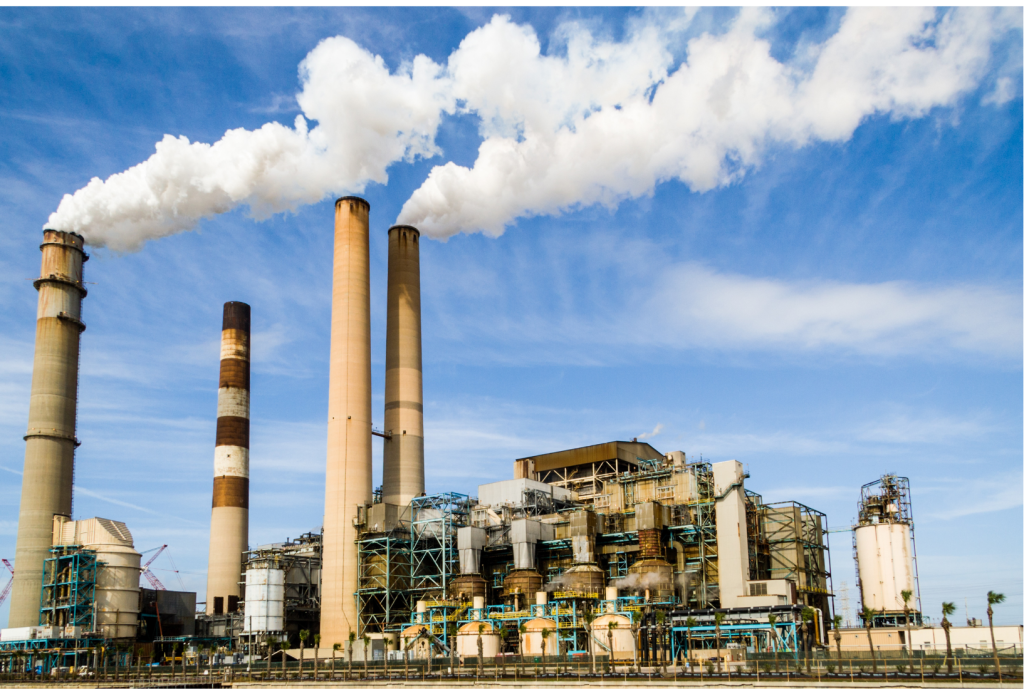
Power & Energy The power and energy sector depends heavily on reliable and high-quality water treatment to maintain safe and efficient operations. In coal-fired power plants (PLTU), large volumes of demineralized water are required for boilers and steam cycles, while in gas-fired power plants (PLTG), consistent water quality is critical to protect turbines and heat recovery systems. In the oil and gas industry, RO membranes are widely used to produce injection water for enhanced recovery, as well as to supply utility water that supports day-to-day operations. Each of these applications faces challenges such as scaling, fouling, and fluctuating feedwater quality, which can threaten efficiency and increase maintenance costs. Zekindo provides advanced RO membrane solutions specifically designed to address these challenges, delivering stable performance, high salt rejection, and long-term reliability. By integrating Zekindo membranes into power and energy systems, operators benefit from reduced downtime, optimized water recovery, and improved overall plant performance, ensuring a sustainable and cost-effective operation in one of the most demanding industrial sectors.
Industrial Manufacturing

Industrial Manufacturing Industrial manufacturing requires reliable water treatment solutions to support a wide range of processes, from raw material conversion to high-precision production. In petrochemical and chemical plants, RO membranes are essential for delivering consistent process water quality that protects equipment and stabilizes reactions. Electronics and semiconductor industries depend on ultrapure water to ensure the integrity of chip fabrication and delicate cleaning operations, where even trace impurities can cause defects. In the automotive sector, RO membranes play a key role in electrodeposition coating (e-coating) and water-based painting systems, improving finish quality while reducing environmental impact. Textile and paper industries also rely on RO technology for bleaching, dyeing, and washing processes that require large volumes of high-quality water. These applications often face challenges such as variable feedwater conditions, scaling, and fouling that can disrupt operations. Zekindo provides industrial manufacturers with RO membrane solutions engineered for durability, stable performance, and cost efficiency. By adopting Zekindo membranes, industries can achieve higher productivity, reduce downtime, and ensure consistent water quality across their operations, ultimately enhancing competitiveness in demanding global markets.